.svg)
Fargo Public Adjuster: Practical Help for Complex Property Insurance Claims
Article made by:


Why a Fargo Public Adjuster Matters After a Serious Property Loss
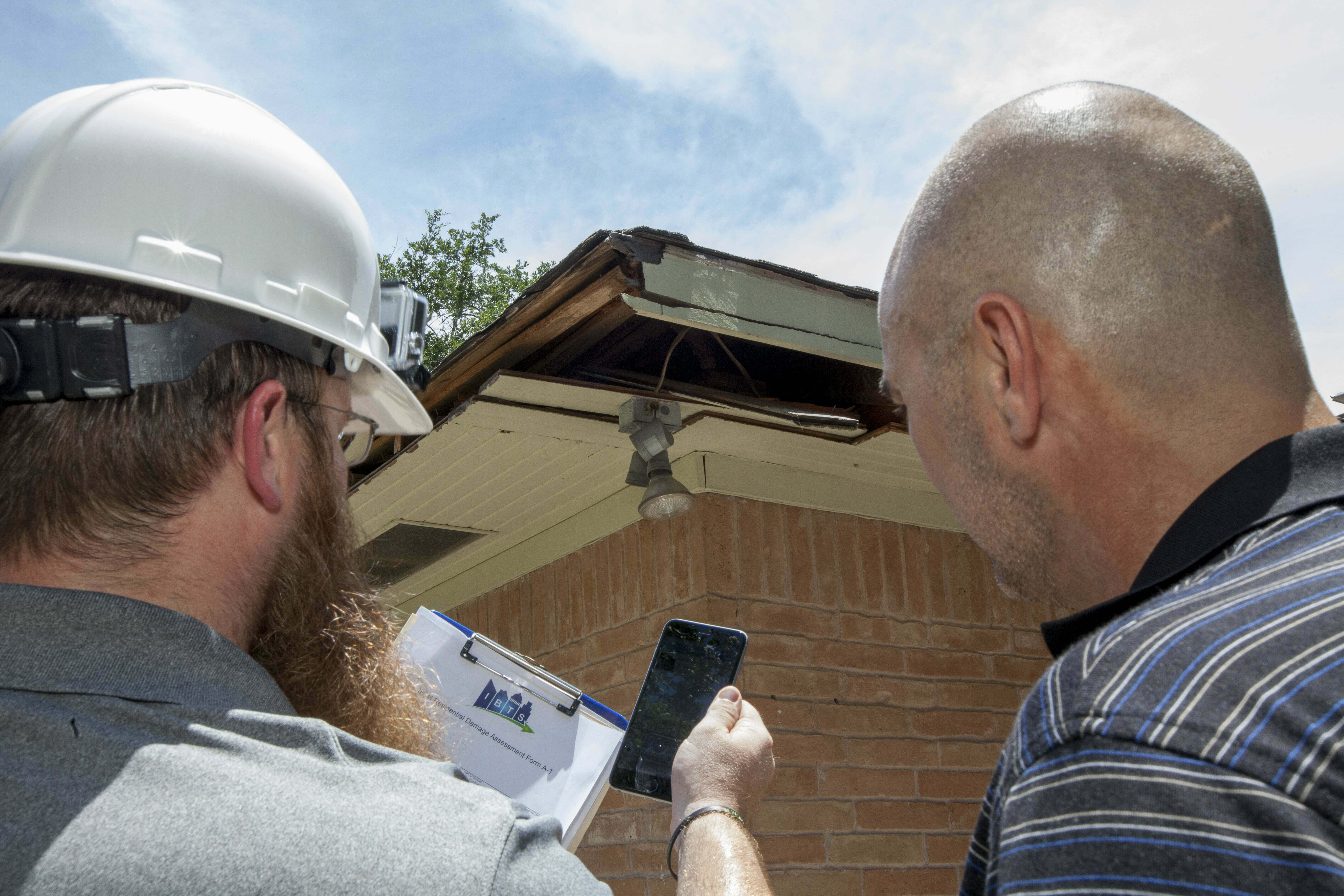
Many policyholders assume the claim process is simple: report the damage, meet the adjuster, and receive payment. In reality, property insurance claims are shaped by policy language, exclusions, deductibles, endorsements, and the insurance company’s interpretation of the loss. The first adjuster sent to your property is working for the carrier, not for you. Even when they are professional and courteous, their role is to inspect the damage, apply the policy as the insurer sees it, and write an estimate based on the company’s process. A Fargo public adjuster changes that dynamic. They review the same type of policy language, building details, and estimating data—but from the policyholder’s perspective. In a market like Fargo, where weather-related damage, winter water losses, smoke contamination, rental property issues, and business interruptions can all create complex claims, that difference matters. Without strong representation, a claim can be reduced to a quick walkthrough and a limited repair scope. With the right public adjuster, the loss is documented more fully and presented in a way that better supports proper restoration. That is why Fargo Public Adjuster often starts with slowing the process down enough to see the whole loss. A quick inspection may note stained drywall, a few broken shingles, or a visible point of impact, but miss insulation, sheathing, framing, electrical components, flooring transitions, or contamination that only becomes obvious after careful testing and demolition. Claims also become more difficult when the insurer separates related damage into small categories and evaluates them in isolation instead of as one connected event.
How the Claim Process Is Managed
Many policyholders assume the claim process is simple: report the damage, meet the adjuster, and receive payment. In reality, property insurance claims are shaped by policy language, exclusions, deductibles, endorsements, and the insurance company’s interpretation of the loss. The first adjuster sent to your property is working for the carrier, not for you. Even when they are professional and courteous, their role is to inspect the damage, apply the policy as the insurer sees it, and write an estimate based on the company’s process. A Fargo public adjuster changes that dynamic. They review the same type of policy language, building details, and estimating data—but from the policyholder’s perspective. In a market like Fargo, where weather-related damage, winter water losses, smoke contamination, rental property issues, and business interruptions can all create complex claims, that difference matters. Without strong representation, a claim can be reduced to a quick walkthrough and a limited repair scope. With the right public adjuster, the loss is documented more fully and presented in a way that better supports proper restoration. That is why Fargo Public Adjuster often starts with slowing the process down enough to see the whole loss. A quick inspection may note stained drywall, a few broken shingles, or a visible point of impact, but miss insulation, sheathing, framing, electrical components, flooring transitions, or contamination that only becomes obvious after careful testing and demolition. Claims also become more difficult when the insurer separates related damage into small categories and evaluates them in isolation instead of as one connected event.
Common Fargo Loss Scenarios That Get Underestimated
Some types of claims in Fargo are especially vulnerable to underpayment. Hail and wind losses are a major example. Damage to shingles, metal roofing, siding, windows, and exterior components is not always limited to what is obvious from the ground. Some carriers may try to narrow the issue to cosmetic damage or limited patch repairs, even when the long-term function and service life of the system have been compromised. Winter-related water losses are another serious category. Burst pipes, ice damming, frozen plumbing lines, and hidden moisture in walls, ceilings, and lower levels can create far wider damage than a first inspection suggests. If demolition and drying are under-scoped, the property owner may later face odor, mold concerns, or structural issues that should have been addressed in the original claim. Basement and lower-level claims can also become complicated because the source of water matters. Interior plumbing failures, backup events, sump-related losses, groundwater, and surface water may all be treated differently under the policy. That makes careful documentation and accurate framing of the event especially important. Fire and smoke losses present another common problem. A small fire may appear localized, but smoke and soot rarely stay in one room. Odor can spread through ductwork, hallways, storage areas, attics, and living spaces. If the claim is scoped too narrowly, the policyholder may be left with lingering contamination and incomplete restoration. Around Fargo and surrounding rural areas, farm-related and outbuilding claims can add another layer of complexity. Shops, storage buildings, machinery spaces, secondary dwellings, and agricultural structures may all require separate attention under the policy. Another recurring problem is pricing.
Choosing the Right Fargo Public Adjuster
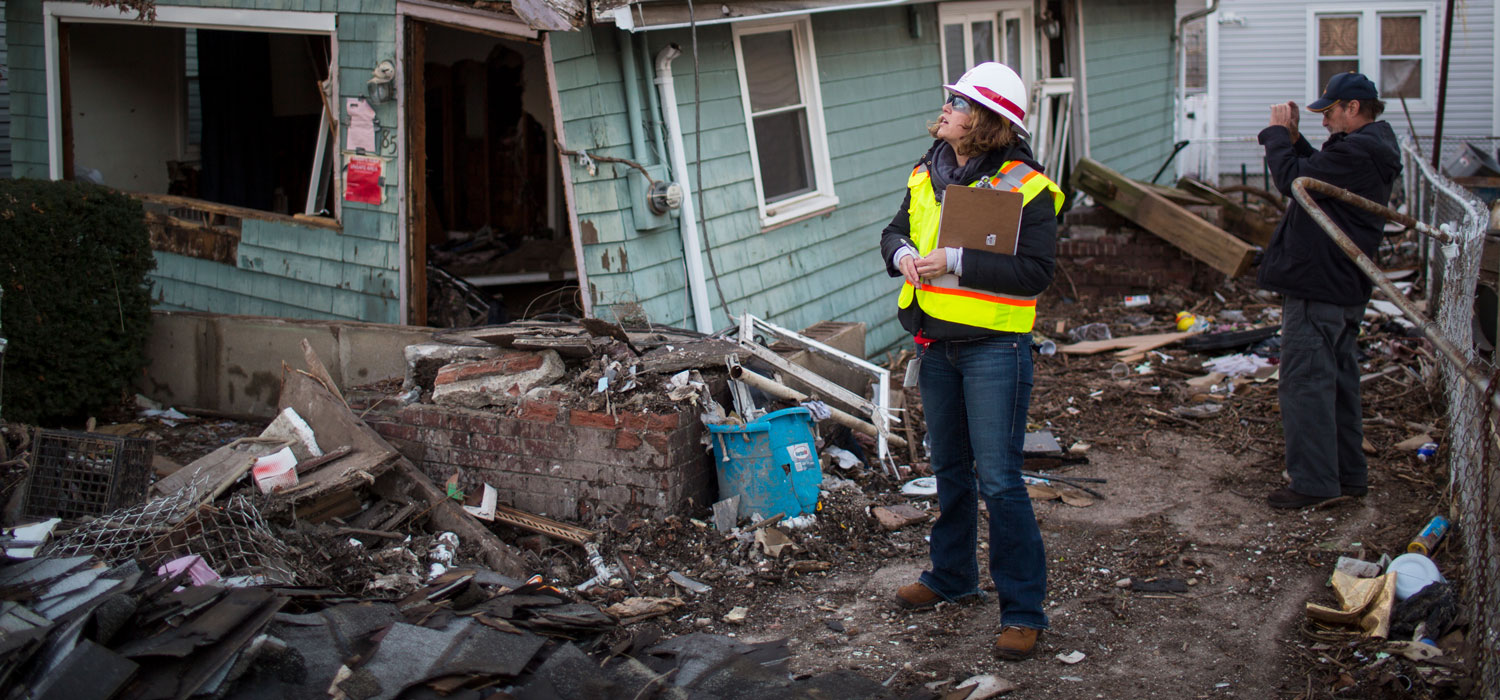
If a claim is substantial, the choice of adjuster matters. Property owners should ask direct questions about licensing, local claim experience, the types of losses handled most often, and whether the adjuster has worked with residential, rental, business, or rural property claims similar to theirs. It is also important to understand the fee agreement clearly. Most public adjusters work on a contingency basis, but the details should be reviewed carefully before signing. A good working relationship should feel like a partnership: the policyholder provides documents, photos, updates, and property history, while the adjuster handles inspection, documentation, estimate preparation, communication, and negotiation. The best results usually come when the policyholder stays involved and informed throughout the process. Owners usually look for Fargo Public Adjuster when the file has already moved beyond routine claim handling. Maybe the insurer's estimate is far below contractor pricing, maybe coverage is being narrowed through wear-and-tear arguments, or maybe the property includes tenants, mixed use, specialty finishes, or business-income issues that the carrier is not addressing well. In those situations, a public adjuster helps by reviewing the policy, coordinating documentation, preparing claim support, and negotiating from the policyholder's side of the table. The goal is practical: to improve the accuracy of the claim and protect the quality of the final repair rather than leaving critical costs to be absorbed by the owner.
Conclusion
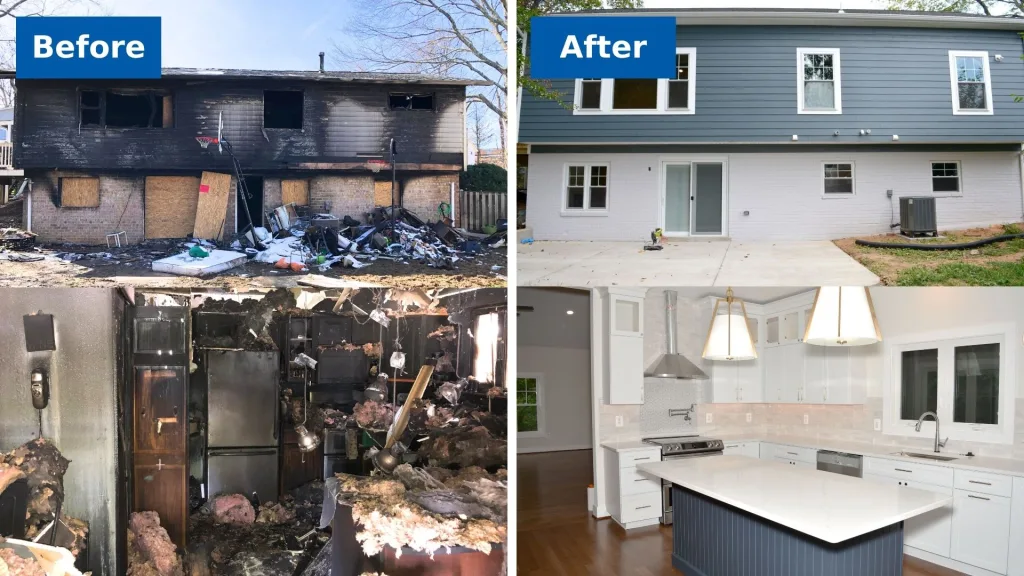
Serious property damage in Fargo can disrupt far more than the structure itself. It can interrupt housing, rental income, business operations, and financial stability. While insurance exists to protect against that kind of loss, the claim process does not automatically produce a complete or fair result. A Fargo public adjuster helps policyholders approach the claim with more strategy, better documentation, and stronger advocacy. By reviewing the policy carefully, inspecting the full scope of damage, building a detailed estimate, and negotiating directly with the insurer, a public adjuster can help turn a stressful and one-sided process into a more controlled and evidence-based recovery effort. For Fargo property owners dealing with hail, wind, fire, smoke, water damage, rental losses, or rural property claims, that kind of support can make a meaningful difference in the outcome. The best outcome is not just a faster payment; it is a settlement and repair plan that genuinely addresses the full scope of the loss. Fargo Public Adjuster helps property owners in Fargo move toward that outcome by creating a claim record that is more complete, more strategic, and better supported from the beginning. Claim Recovery Center uses that approach to help clients document thoroughly, respond intelligently to carrier positions, and keep the focus on what it will actually take to restore the property the right way.
Claim Rights Center
Education and advocacy for insurance policyholders nationwide.
Empowering policyholders with knowledge before representation.
Claim Types
Educational Resource Disclaimer
Not a Law Firm or Insurance Company: Claim Rights Center is an educational resource and advocacy platform. We are not a law firm, insurance company, or licensed public adjusting firm. All professional services are provided by independent, state-licensed professionals in compliance with applicable state laws.
No Professional Relationship: No attorney-client relationship or professional services agreement is formed through the use of this website. Information provided is for educational purposes only and does not constitute legal, financial, or professional advice.
State Licensing: Licensed professionals in our network are independently licensed in their respective states and comply with all applicable state regulations and licensing requirements. State licensing information and credentials are available upon request.
Insurance Policy Variance: Insurance policies, coverage terms, exclusions, and regulations vary significantly by state, carrier, and individual policy. Always review your specific policy documents and consult with licensed professionals regarding your individual situation before making decisions.
State Compliance: This platform provides general educational information applicable across multiple states. Specific claim procedures, licensing requirements, and consumer protections vary by jurisdiction. All services are subject to state-specific regulations where applicable.
Results Not Guaranteed: Case studies and outcome examples are based on actual claims but are provided for educational purposes only. Individual results vary based on policy coverage, damage extent, documentation quality, and other factors. Past outcomes do not guarantee future results.
© 2026 Claim Rights Center. All rights reserved.
Nationwide educational resource for policyholders.