.svg)
Home Claim MN: Practical Guidance After Property Damage
Article made by:

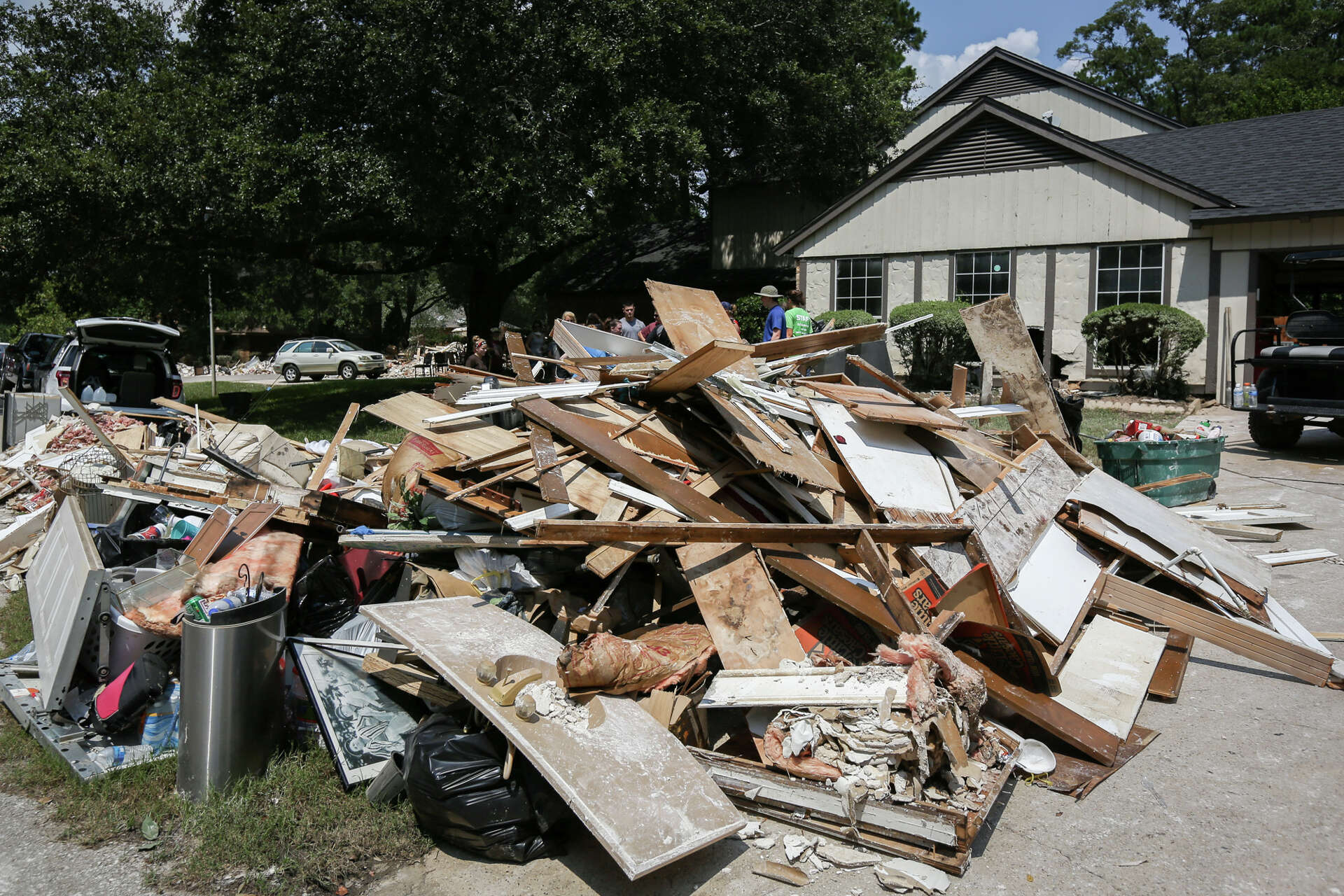
Why Minnesota Claims Often Become More Complicated
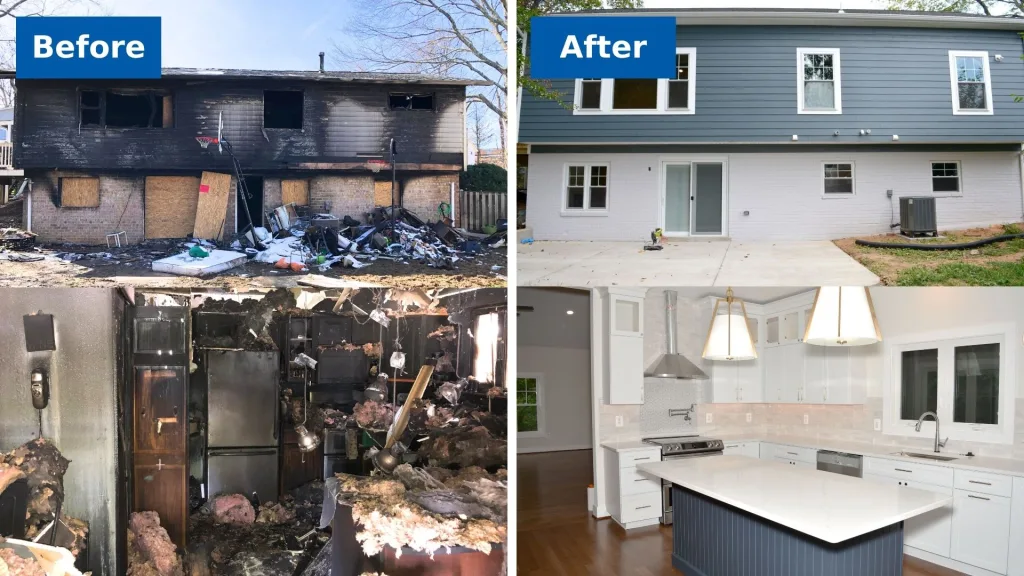
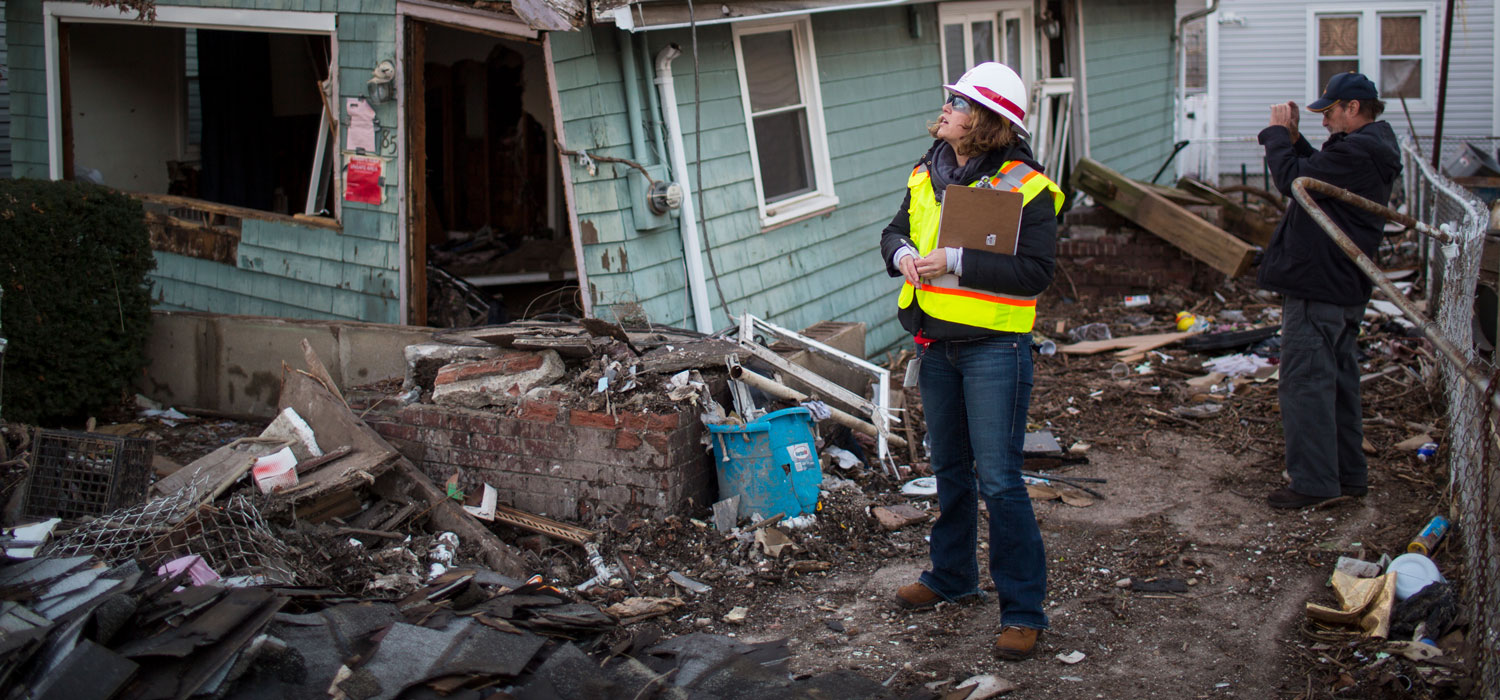
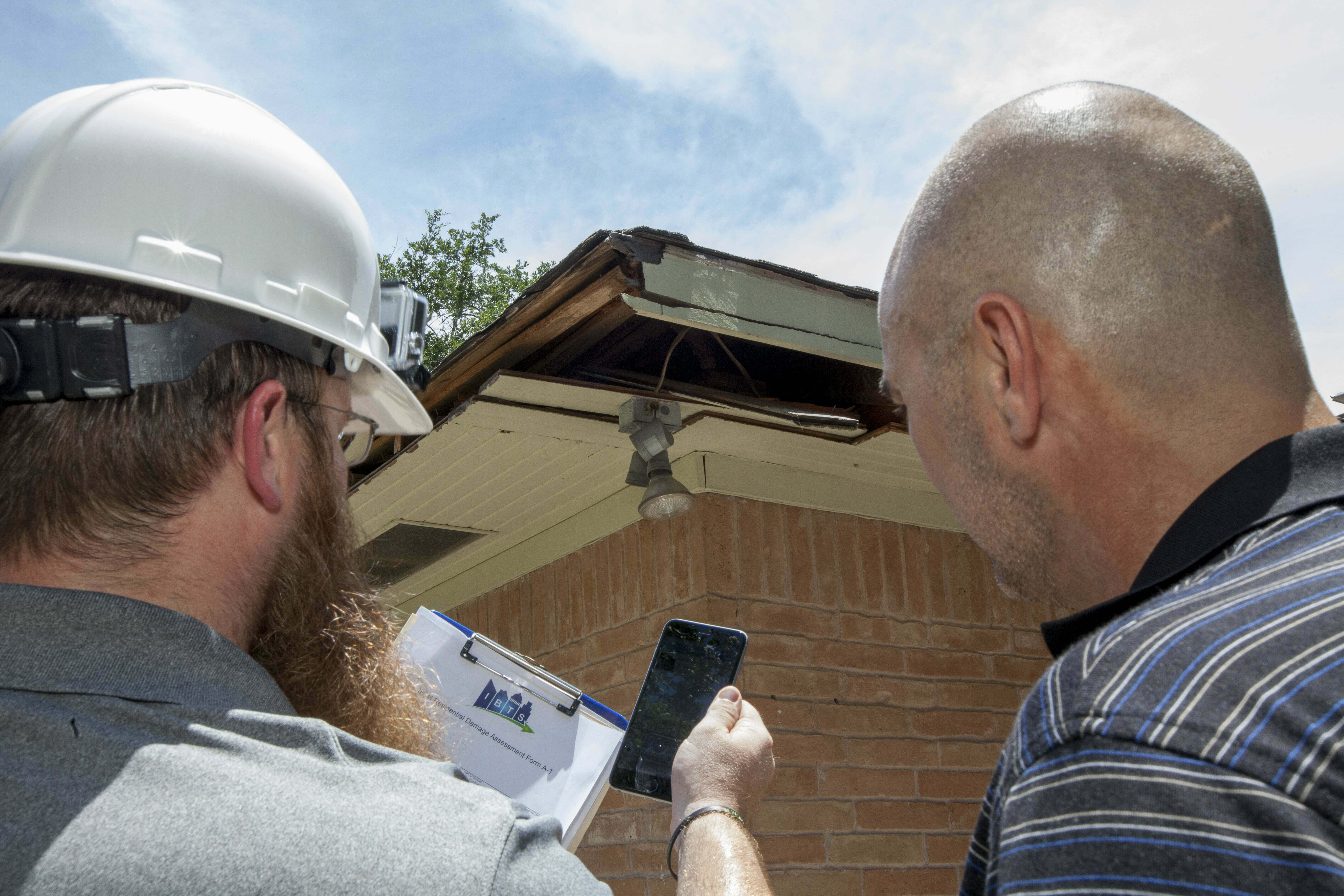
Home claims in Minnesota are regularly underestimated because the visible damage is only part of the story. Hail impacts, attic moisture, ice dams, and freeze-related plumbing failures often create loss patterns that spread from roofs or one room into insulation, framing, ceilings, crawlspaces, and finishes that are not obvious on day one. When an inspection moves too quickly, the insurer may price only the easiest repairs and leave out the work needed to fully restore the home. That is why many homeowners searching for home claim MN need more detail than photos of the most obvious damage. That is why Home Claim MN often starts with slowing the process down enough to see the whole loss. A quick inspection may note stained drywall, a few broken shingles, or a visible point of impact, but miss insulation, sheathing, framing, electrical components, flooring transitions, or contamination that only becomes obvious after careful testing and demolition. Claims also become more difficult when the insurer separates related damage into small categories and evaluates them in isolation instead of as one connected event. In rental, mixed-use, or commercial settings, there may also be tenant issues, access problems, temporary repairs, and income consequences that make the file much more complicated than a standard homeowner estimate suggests.
How to Build a Better Home Claim
Home claims in Minnesota are regularly underestimated because the visible damage is only part of the story. Hail impacts, attic moisture, ice dams, and freeze-related plumbing failures often create loss patterns that spread from roofs or one room into insulation, framing, ceilings, crawlspaces, and finishes that are not obvious on day one. When an inspection moves too quickly, the insurer may price only the easiest repairs and leave out the work needed to fully restore the home. That is why many homeowners searching for home claim MN need more detail than photos of the most obvious damage. That is why Home Claim MN often starts with slowing the process down enough to see the whole loss. A quick inspection may note stained drywall, a few broken shingles, or a visible point of impact, but miss insulation, sheathing, framing, electrical components, flooring transitions, or contamination that only becomes obvious after careful testing and demolition. Claims also become more difficult when the insurer separates related damage into small categories and evaluates them in isolation instead of as one connected event. In rental, mixed-use, or commercial settings, there may also be tenant issues, access problems, temporary repairs, and income consequences that make the file much more complicated than a standard homeowner estimate suggests.
Common Minnesota Claim Problems
In Minnesota, home claims often lose money when roof components are partially priced, matching issues are ignored, moisture mapping is skipped, or smoke and odor work is treated too lightly. Another problem is when the insurer values a repair as cosmetic even though the loss also affected underlayment, wall cavities, insulation, or adjacent finishes. Additional living expense, code-related work, and overhead from coordinating multiple trades can also be missed if the claim is not built carefully from the start. Another recurring problem is pricing. Carrier estimates often rely on limited quantities, generalized line items, or assumptions that the property can be restored with the cheapest reasonable approach. That can leave out demolition, access challenges, matching issues, debris handling, permit costs, specialty trades, code-triggered work, and the reality that one damaged component often requires adjacent work to achieve a proper finish. Home Claim MN helps policyholders recognize those gaps before they become the baseline for negotiation.
When Homeowners Should Get Extra Claim Help
Outside support becomes useful when the home loss is large, the estimate feels incomplete, or the carrier questions the cause, scope, or price of repairs. That is especially true when contractor bids are far above the insurer's number, when water or smoke damage keeps expanding, or when the owner is trying to manage mitigation, temporary housing, and repairs at the same time. Good guidance for someone searching for home claim MN helps turn a stressful claim into a fact-based discussion focused on real restoration needs. Experienced claim help usually becomes worthwhile when the loss is large, technical, or financially disruptive. That is especially true when contractor bids do not match the carrier's estimate, when hidden damage continues to appear after the first inspection, or when the property involves tenants, multiple buildings, commercial use, or loss-of-use issues. Home Claim MN can add real value at that stage because it gives the owner a more structured way to review coverage, document scope, and negotiate from evidence rather than assumptions.
Conclusion
Serious property damage in Minnesota can affect far more than the structure itself. It can disrupt housing, income, operations, schedules, and financial stability. The best response is a careful one: document the damage fully, review the policy closely, question an incomplete estimate, and get experienced help when the stakes are high. With that approach, policyholders searching for home claim MN are in a much better position to pursue a fair settlement and restore the property with confidence. The best outcome is not just a faster payment; it is a settlement and repair plan that genuinely addresses the full scope of the loss. Home Claim MN helps property owners across Minnesota move toward that outcome by creating a claim record that is more complete, more strategic, and better supported from the beginning. Claim Recovery Center uses that approach to help clients document thoroughly, respond intelligently to carrier positions, and keep the focus on what it will actually take to restore the property the right way.
Claim Rights Center
Education and advocacy for insurance policyholders nationwide.
Empowering policyholders with knowledge before representation.
Claim Types
Educational Resource Disclaimer
Not a Law Firm or Insurance Company: Claim Rights Center is an educational resource and advocacy platform. We are not a law firm, insurance company, or licensed public adjusting firm. All professional services are provided by independent, state-licensed professionals in compliance with applicable state laws.
No Professional Relationship: No attorney-client relationship or professional services agreement is formed through the use of this website. Information provided is for educational purposes only and does not constitute legal, financial, or professional advice.
State Licensing: Licensed professionals in our network are independently licensed in their respective states and comply with all applicable state regulations and licensing requirements. State licensing information and credentials are available upon request.
Insurance Policy Variance: Insurance policies, coverage terms, exclusions, and regulations vary significantly by state, carrier, and individual policy. Always review your specific policy documents and consult with licensed professionals regarding your individual situation before making decisions.
State Compliance: This platform provides general educational information applicable across multiple states. Specific claim procedures, licensing requirements, and consumer protections vary by jurisdiction. All services are subject to state-specific regulations where applicable.
Results Not Guaranteed: Case studies and outcome examples are based on actual claims but are provided for educational purposes only. Individual results vary based on policy coverage, damage extent, documentation quality, and other factors. Past outcomes do not guarantee future results.
© 2026 Claim Rights Center. All rights reserved.
Nationwide educational resource for policyholders.