.svg)
Indianapolis Insurance Claims: What Property Owners Need to Know
Article made by:


Why Indianapolis, Indiana Property Damage Claims Need Closer Review
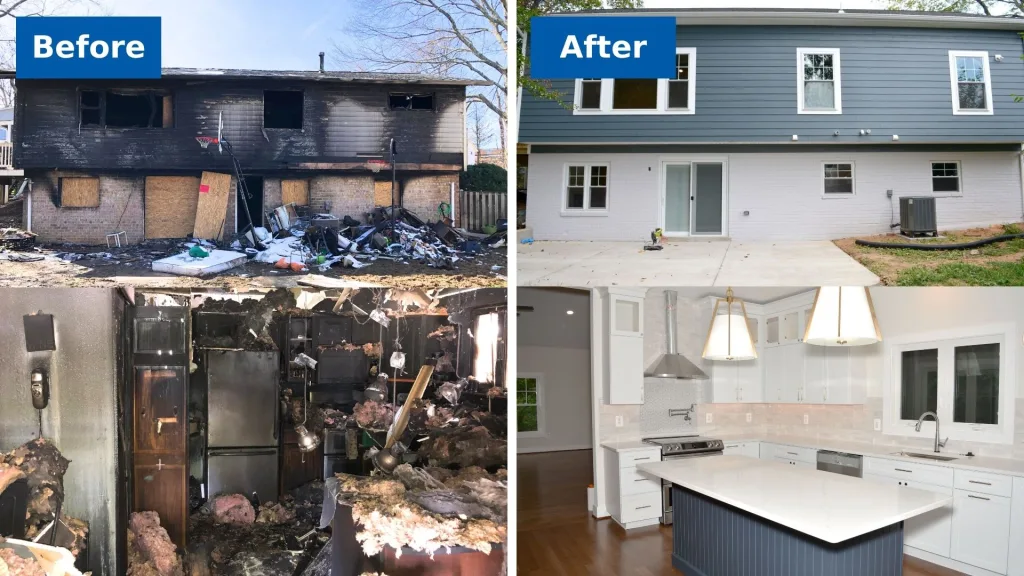
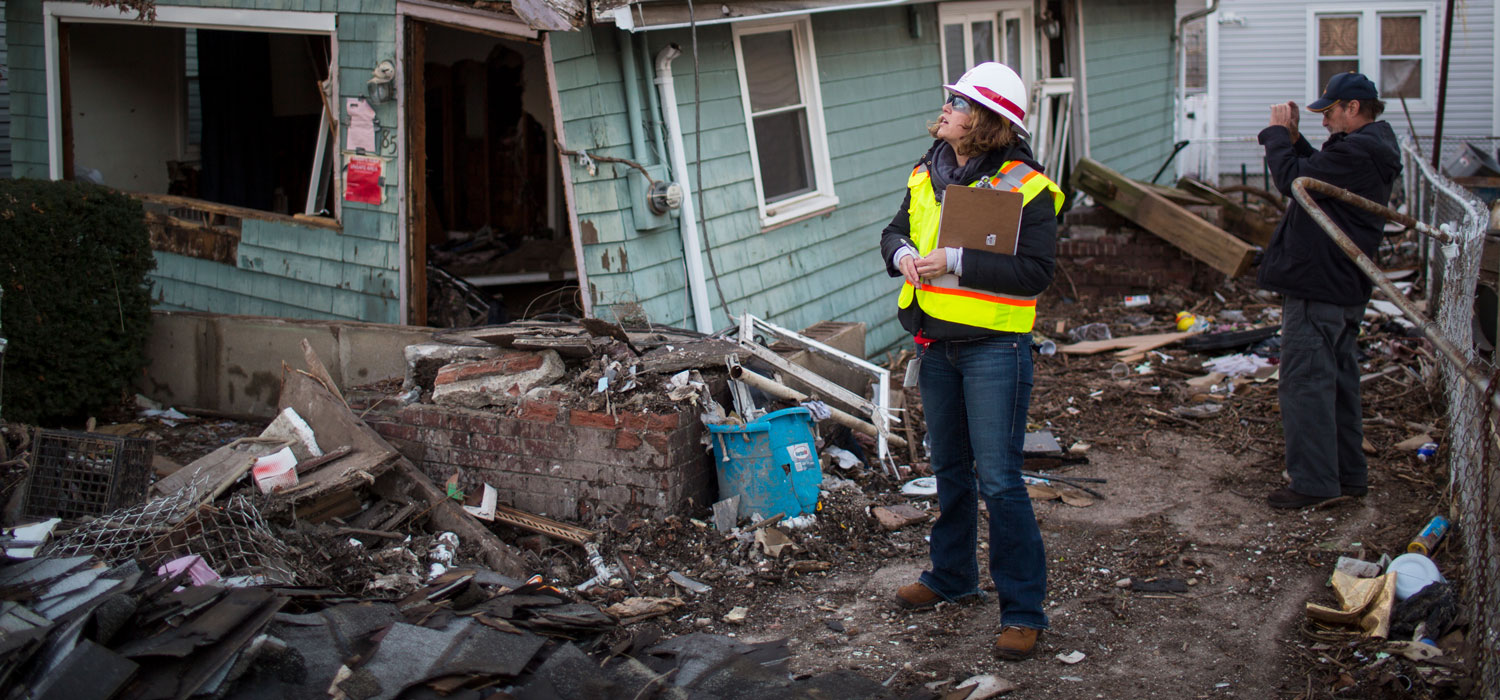
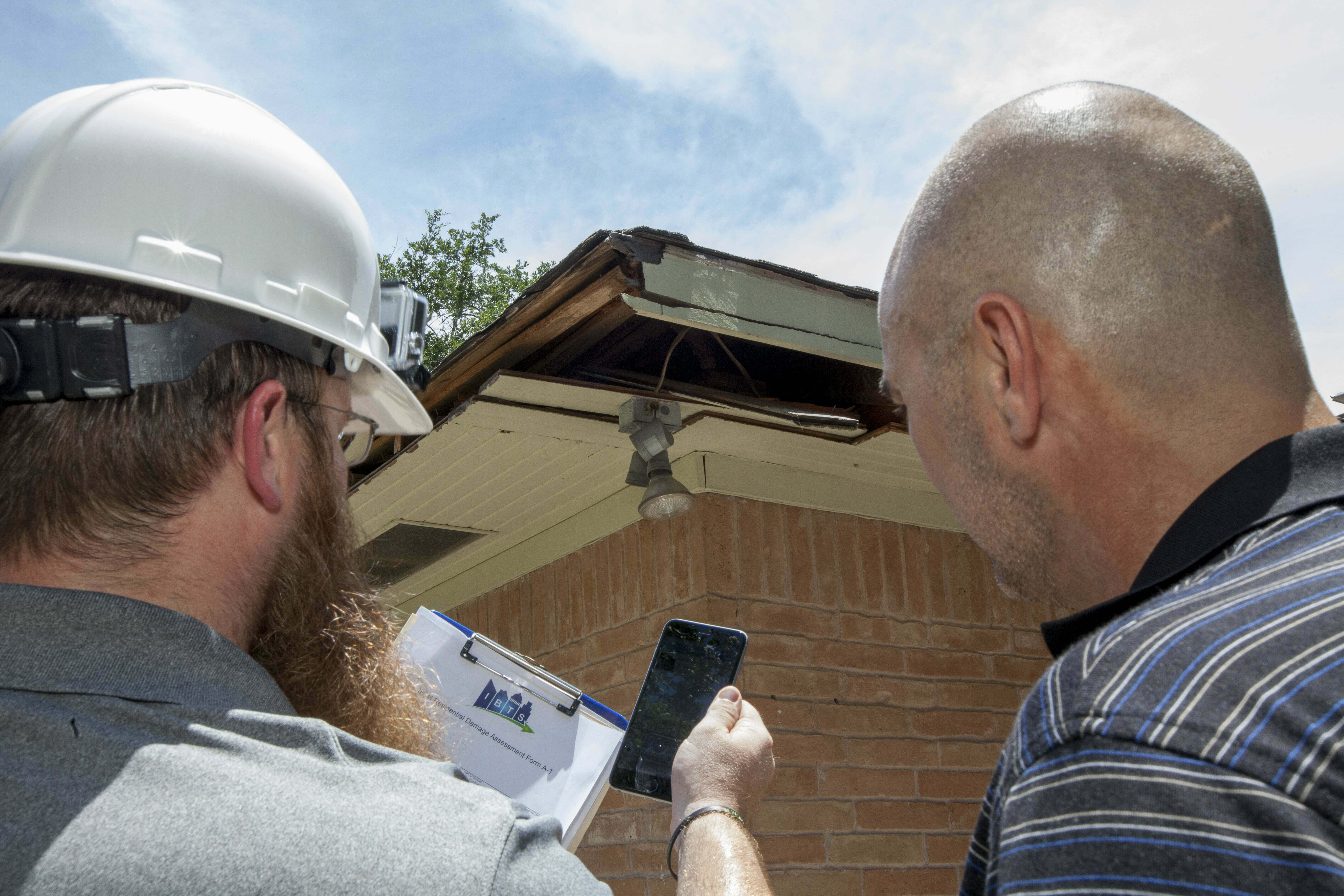
Property claims in Indianapolis, Indiana often become more complicated because storm damage, older roofs, water intrusion, and fast claim timelines can create damage that spreads well past the first visible signs. A roof or exterior impact can lead to interior water damage, smoke can travel into unaffected rooms, and business or rental properties may have interruption losses that do not appear in a basic building estimate. Insurer inspections are often fast by design, so the first scope may focus on the obvious damage and miss the full repair story. That is why people searching for Indianapolis insurance claims are usually better off slowing the process down and documenting the loss correctly. Complications also grow when older construction, prior repairs, multiple trades, or partial occupancy are involved. A roof issue may affect ceilings, insulation, framing, and finishes below; a plumbing leak may trigger flooring, cabinetry, trim, electrical, and mold-prevention work; a fire may require far more cleaning and replacement than a surface-level inspection suggests. Indianapolis Insurance Claims becomes important because it keeps the claim from being reduced to the easiest visible items while the more expensive and technically necessary work is left for the owner to discover later.
How Property Owners Can Strengthen the Claim
Property claims in Indianapolis, Indiana often become more complicated because storm damage, older roofs, water intrusion, and fast claim timelines can create damage that spreads well past the first visible signs. A roof or exterior impact can lead to interior water damage, smoke can travel into unaffected rooms, and business or rental properties may have interruption losses that do not appear in a basic building estimate. Insurer inspections are often fast by design, so the first scope may focus on the obvious damage and miss the full repair story. That is why people searching for Indianapolis insurance claims are usually better off slowing the process down and documenting the loss correctly. Complications also grow when older construction, prior repairs, multiple trades, or partial occupancy are involved. A roof issue may affect ceilings, insulation, framing, and finishes below; a plumbing leak may trigger flooring, cabinetry, trim, electrical, and mold-prevention work; a fire may require far more cleaning and replacement than a surface-level inspection suggests. Indianapolis Insurance Claims becomes important because it keeps the claim from being reduced to the easiest visible items while the more expensive and technically necessary work is left for the owner to discover later.
Frequent Problems in Indianapolis Property Claims
In Indianapolis, many claims lose value through partial scopes, low pricing, missing line items, and poor timing. Owners may also run into delays when the insurer questions causation, asks for repetitive documentation, or separates connected damage into smaller categories that reduce the payout. For rental and commercial properties, the problem can widen further if vacancy, loss of rent, extra expense, or operational disruption are not documented as carefully as the building repairs. Delays and communication gaps create their own form of underpayment. If inspections are spaced too far apart, if supplemental information is never clearly acknowledged, or if temporary repairs blur the original damage pattern, the claim can weaken over time even when the loss is legitimate. Indianapolis Insurance Claims helps keep the file active, documented, and organized so unresolved issues do not quietly disappear between adjuster changes, emails, and partial payments.
When the Claim Needs Extra Attention
Outside help can make sense when the claim is large, the first payment does not match repair reality, or the policyholder is facing delay, disagreement, or a complicated property type. That may include multifamily buildings, commercial spaces, mixed-use properties, or homes with prior repairs and hidden damage. Good guidance for people searching for Indianapolis insurance claims keeps the discussion focused on proof, policy language, and restoration scope so the settlement is built around what the property needs instead of what is easiest for the insurer to approve. There is a point in many losses where the issue is no longer whether damage exists, but whether the claim as presented is strong enough to recover the full amount needed. Indianapolis Insurance Claims matters at that point because professional guidance can turn a loosely documented claim into a focused, defensible file with clearer numbers, better supporting evidence, and a stronger negotiation position.
Conclusion
Serious property damage in Indianapolis, Indiana can affect far more than the structure itself. It can disrupt housing, income, operations, schedules, and financial stability. The best response is a careful one: document the damage fully, review the policy closely, question an incomplete estimate, and get experienced help when the stakes are high. With that approach, policyholders searching for Indianapolis insurance claims are in a much better position to pursue a fair settlement and restore the property with confidence. Serious claims are rarely solved by one inspection or one estimate. They evolve as more information comes to light, as repairs are priced accurately, and as the policy is applied to the real-world loss. Indianapolis Insurance Claims helps policyholders in Indianapolis stay in control of that process. With a stronger file, better documentation, and a more deliberate strategy, Claim Recovery Center helps owners pursue the kind of recovery that supports the rebuild instead of leaving major costs unresolved.
Claim Rights Center
Education and advocacy for insurance policyholders nationwide.
Empowering policyholders with knowledge before representation.
Claim Types
Educational Resource Disclaimer
Not a Law Firm or Insurance Company: Claim Rights Center is an educational resource and advocacy platform. We are not a law firm, insurance company, or licensed public adjusting firm. All professional services are provided by independent, state-licensed professionals in compliance with applicable state laws.
No Professional Relationship: No attorney-client relationship or professional services agreement is formed through the use of this website. Information provided is for educational purposes only and does not constitute legal, financial, or professional advice.
State Licensing: Licensed professionals in our network are independently licensed in their respective states and comply with all applicable state regulations and licensing requirements. State licensing information and credentials are available upon request.
Insurance Policy Variance: Insurance policies, coverage terms, exclusions, and regulations vary significantly by state, carrier, and individual policy. Always review your specific policy documents and consult with licensed professionals regarding your individual situation before making decisions.
State Compliance: This platform provides general educational information applicable across multiple states. Specific claim procedures, licensing requirements, and consumer protections vary by jurisdiction. All services are subject to state-specific regulations where applicable.
Results Not Guaranteed: Case studies and outcome examples are based on actual claims but are provided for educational purposes only. Individual results vary based on policy coverage, damage extent, documentation quality, and other factors. Past outcomes do not guarantee future results.
© 2026 Claim Rights Center. All rights reserved.
Nationwide educational resource for policyholders.