.svg)
Indianapolis Public Adjuster: Guidance for Underpaid and Disputed Property Claims
Article made by:

Why Insurance Claims in Indianapolis, Indiana Often Expand
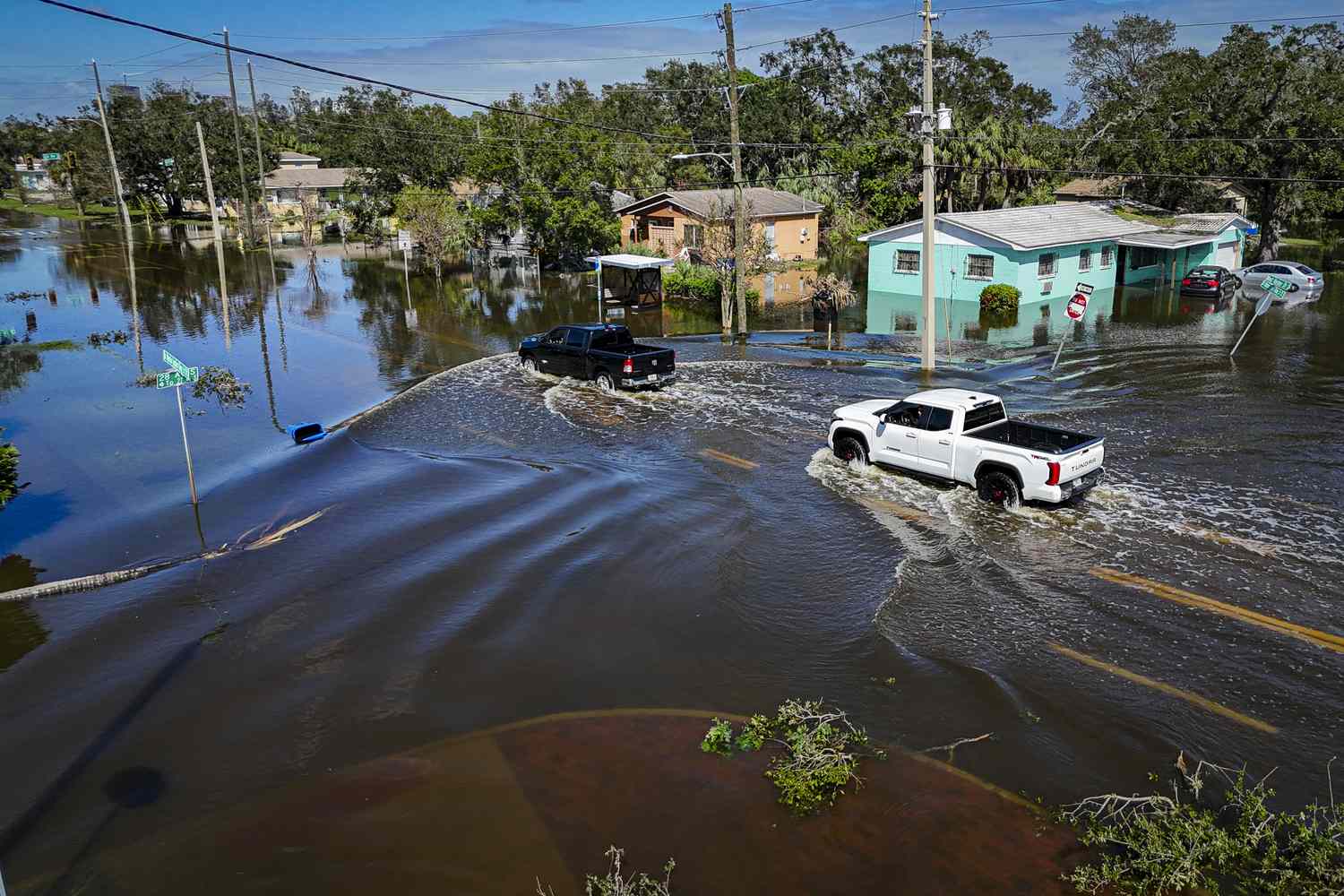
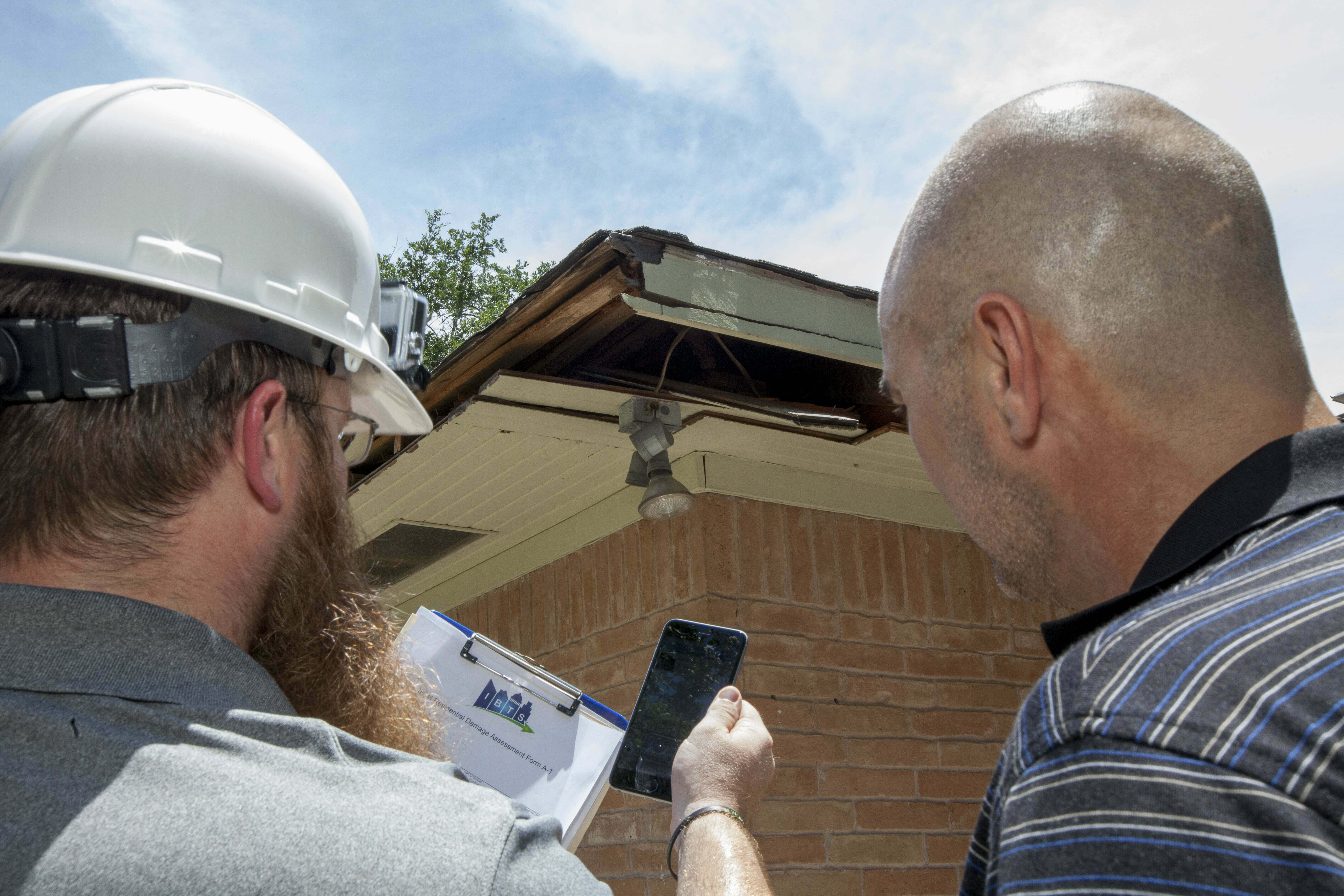
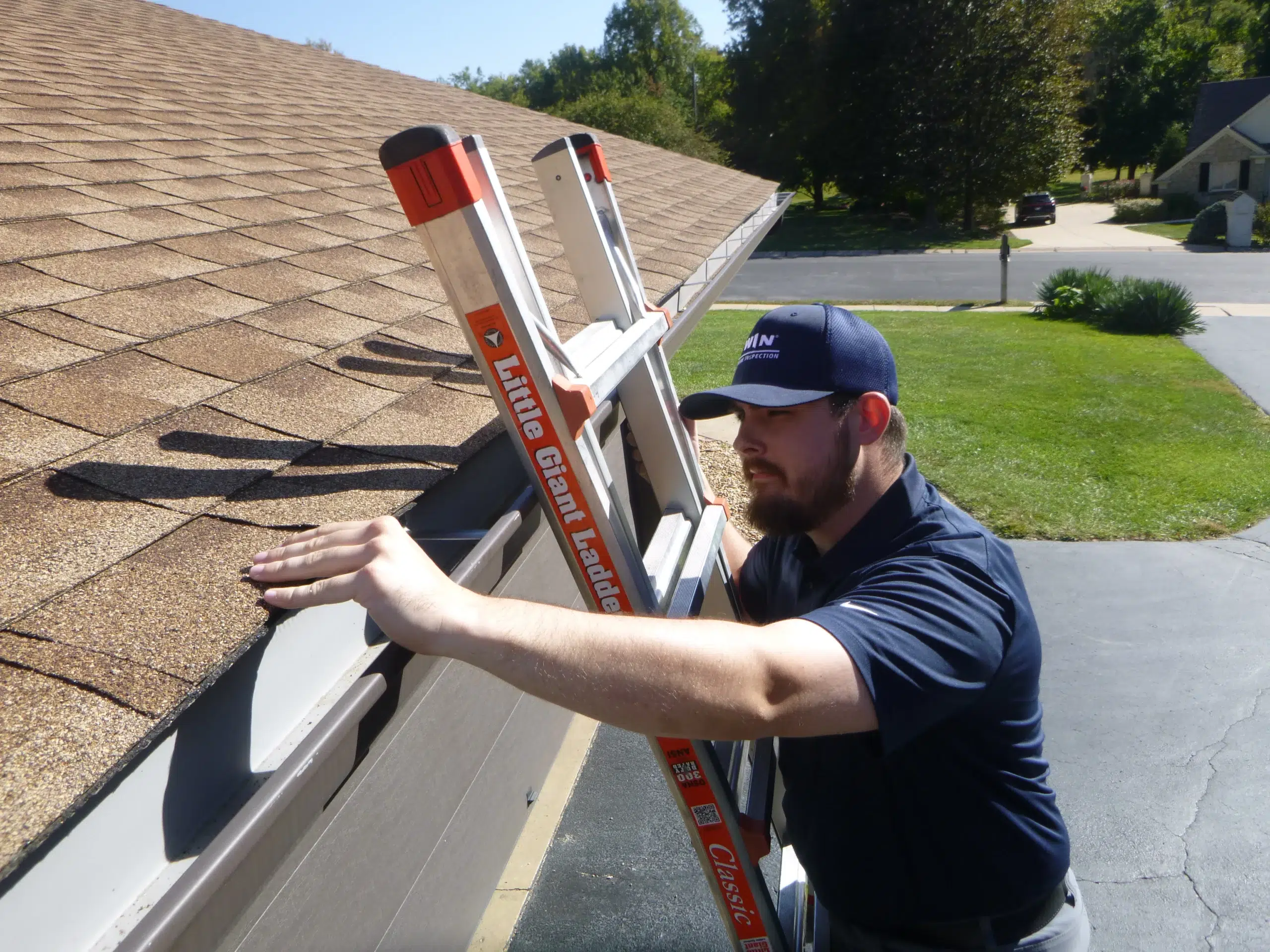
Claims in Indianapolis, Indiana can become technical very quickly because wind events, hail damage, water loss, and aging housing stock often produce damage that extends beyond what a fast inspection captures. The visible part of the loss may be only the starting point. Roof damage can lead to interior moisture, fire losses can spread smoke far beyond the burn area, and commercial or rental properties can involve lost income, tenant disruption, or code-driven repairs. When the initial scope is too narrow, the claim can be underpaid even though the policyholder has a legitimate larger loss. That is one reason many owners search for Indianapolis public adjuster before agreeing to a final number. In practice, the difficulty is rarely just the visible damage itself. The bigger issue is that the claim develops under time pressure, while cleanup is happening, contractors are giving incomplete early numbers, and the carrier is creating its own record from the outset. If the scope is framed too narrowly during that early stage, everything that follows can be skewed downward. Indianapolis Public Adjuster is most useful when it helps property owners in Indianapolis identify concealed damage, preserve mitigation evidence, and connect every repair item back to a clear cause of loss before the carrier's first position hardens. This is exactly where Indianapolis Public Adjuster changes the trajectory of the file. Instead of letting the carrier's inspection become the only working version of the loss, the policyholder gets an advocate who is focused on a fuller scope, cleaner documentation, and a more realistic repair path. That can be especially important when causation is disputed, when prior wear is being used to limit coverage, or when the property has multiple units, specialty finishes, or business-use components.
What a Well-Built Claim File Includes
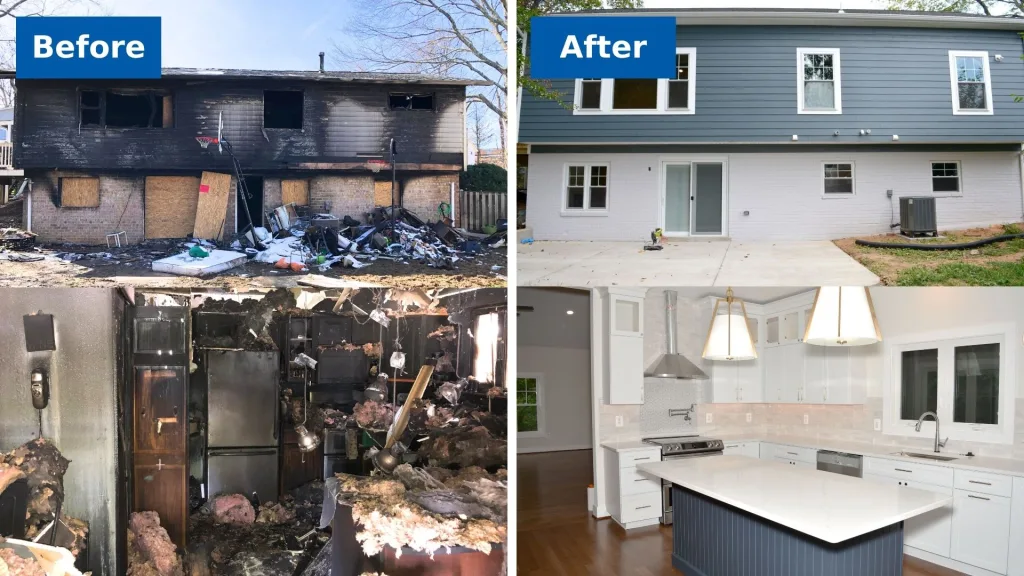
Claims in Indianapolis, Indiana can become technical very quickly because wind events, hail damage, water loss, and aging housing stock often produce damage that extends beyond what a fast inspection captures. The visible part of the loss may be only the starting point. Roof damage can lead to interior moisture, fire losses can spread smoke far beyond the burn area, and commercial or rental properties can involve lost income, tenant disruption, or code-driven repairs. When the initial scope is too narrow, the claim can be underpaid even though the policyholder has a legitimate larger loss. That is one reason many owners search for Indianapolis public adjuster before agreeing to a final number. In practice, the difficulty is rarely just the visible damage itself. The bigger issue is that the claim develops under time pressure, while cleanup is happening, contractors are giving incomplete early numbers, and the carrier is creating its own record from the outset. If the scope is framed too narrowly during that early stage, everything that follows can be skewed downward. Indianapolis Public Adjuster is most useful when it helps property owners in Indianapolis identify concealed damage, preserve mitigation evidence, and connect every repair item back to a clear cause of loss before the carrier's first position hardens. This is exactly where Indianapolis Public Adjuster changes the trajectory of the file. Instead of letting the carrier's inspection become the only working version of the loss, the policyholder gets an advocate who is focused on a fuller scope, cleaner documentation, and a more realistic repair path. That can be especially important when causation is disputed, when prior wear is being used to limit coverage, or when the property has multiple units, specialty finishes, or business-use components.
What Often Goes Wrong in Indianapolis Claims
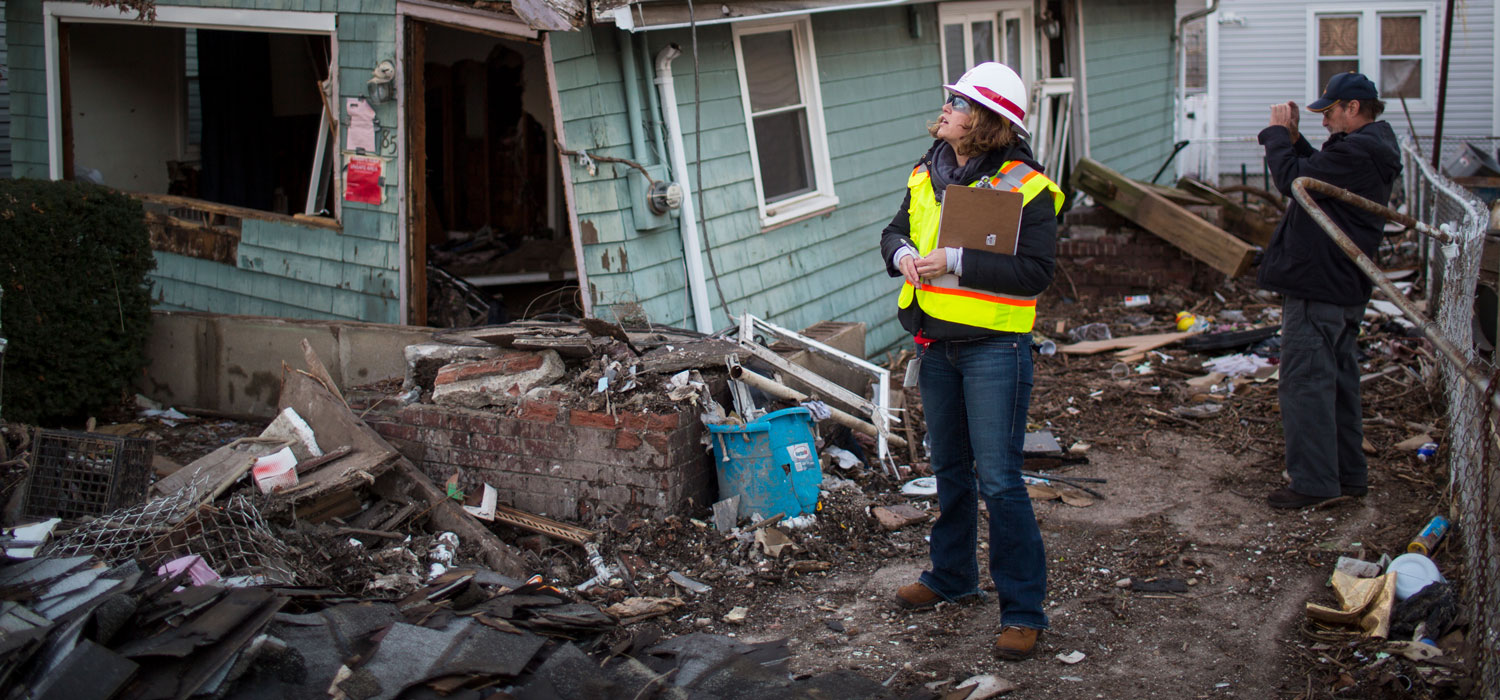
Property owners in Indianapolis often run into the same claim problems: hidden damage is omitted, repairs are priced too narrowly, matching or code issues are left out, and business-related losses are not developed early enough. Another common issue is accepting the first estimate before demolition, drying, or expert inspection reveals the full extent of the damage. If the claim involves multiple units, a commercial use, older construction, or overlapping causes of loss, a small paperwork mistake can turn into a large settlement gap. Owners also run into trouble when the insurer characterizes a covered event too narrowly. Storm-created openings may be described as maintenance issues, water spread may be reduced to a single room, smoke contamination may be treated like basic housekeeping, or theft-related repairs may be limited to obvious physical damage without fully addressing security, finish work, and related interior repairs. Once those assumptions are written into the estimate, it can take real effort to reverse them. Indianapolis Public Adjuster matters because it gives the owner a structured way to push back with evidence rather than frustration. At this point, independent representation often changes the leverage in the discussion. Instead of the owner simply saying the number feels too low, the file can show exactly where the estimate is incomplete, why the valuation is off, and how the policy should respond.
When Expert Representation Matters
Professional representation makes the most sense when the loss is large, technical, delayed, disputed, or financially important. A Indianapolis public adjuster can be especially useful when contractor bids do not align with the insurer's scope, when the claim has stalled, or when the policyholder is dealing with more than one category of damage at once. At that stage, the question is no longer just whether coverage exists. The real issue is whether the claim reflects what it will actually take to restore the property properly. Professional help tends to make sense when the loss is too large to absorb mistakes or too technical to explain casually. Indianapolis Public Adjuster can be especially useful for owners in Indianapolis when there are multiple inspections, slow responses, partial payments, or repeated requests for information that never seem to move the file toward resolution. A public adjuster can centralize communication, compare scopes, organize supplements, and keep the claim advancing while the owner focuses on protecting the property and stabilizing daily operations.
Conclusion
Serious property damage in Indianapolis, Indiana can affect far more than the structure itself. It can disrupt housing, income, operations, schedules, and financial stability. The best response is a careful one: document the damage fully, review the policy closely, question an incomplete estimate, and get experienced help when the stakes are high. With that approach, policyholders searching for Indianapolis public adjuster are in a much better position to pursue a fair settlement and restore the property with confidence. Recovery after major property damage usually depends on what happens in the claim file long before reconstruction is complete. Indianapolis Public Adjuster gives owners in Indianapolis a framework for protecting evidence, organizing costs, identifying missing scope, and responding when the insurer's first answer is not enough. Claim Recovery Center's role is to make that process clearer and more disciplined so the owner can pursue a fair result without losing sight of the practical goal: a proper restoration.
Claim Rights Center
Education and advocacy for insurance policyholders nationwide.
Empowering policyholders with knowledge before representation.
Claim Types
Educational Resource Disclaimer
Not a Law Firm or Insurance Company: Claim Rights Center is an educational resource and advocacy platform. We are not a law firm, insurance company, or licensed public adjusting firm. All professional services are provided by independent, state-licensed professionals in compliance with applicable state laws.
No Professional Relationship: No attorney-client relationship or professional services agreement is formed through the use of this website. Information provided is for educational purposes only and does not constitute legal, financial, or professional advice.
State Licensing: Licensed professionals in our network are independently licensed in their respective states and comply with all applicable state regulations and licensing requirements. State licensing information and credentials are available upon request.
Insurance Policy Variance: Insurance policies, coverage terms, exclusions, and regulations vary significantly by state, carrier, and individual policy. Always review your specific policy documents and consult with licensed professionals regarding your individual situation before making decisions.
State Compliance: This platform provides general educational information applicable across multiple states. Specific claim procedures, licensing requirements, and consumer protections vary by jurisdiction. All services are subject to state-specific regulations where applicable.
Results Not Guaranteed: Case studies and outcome examples are based on actual claims but are provided for educational purposes only. Individual results vary based on policy coverage, damage extent, documentation quality, and other factors. Past outcomes do not guarantee future results.
© 2026 Claim Rights Center. All rights reserved.
Nationwide educational resource for policyholders.