.svg)
Property Damage Adjuster GA: Professional Help After Serious Property Damage
Article made by:

Why GA Property Claims Are Easy to Undervalue
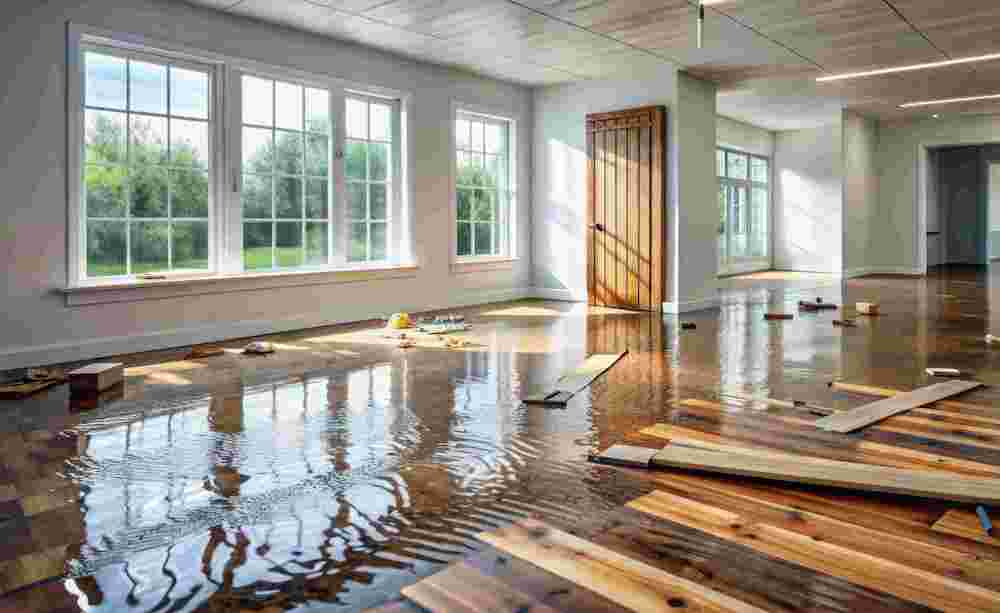
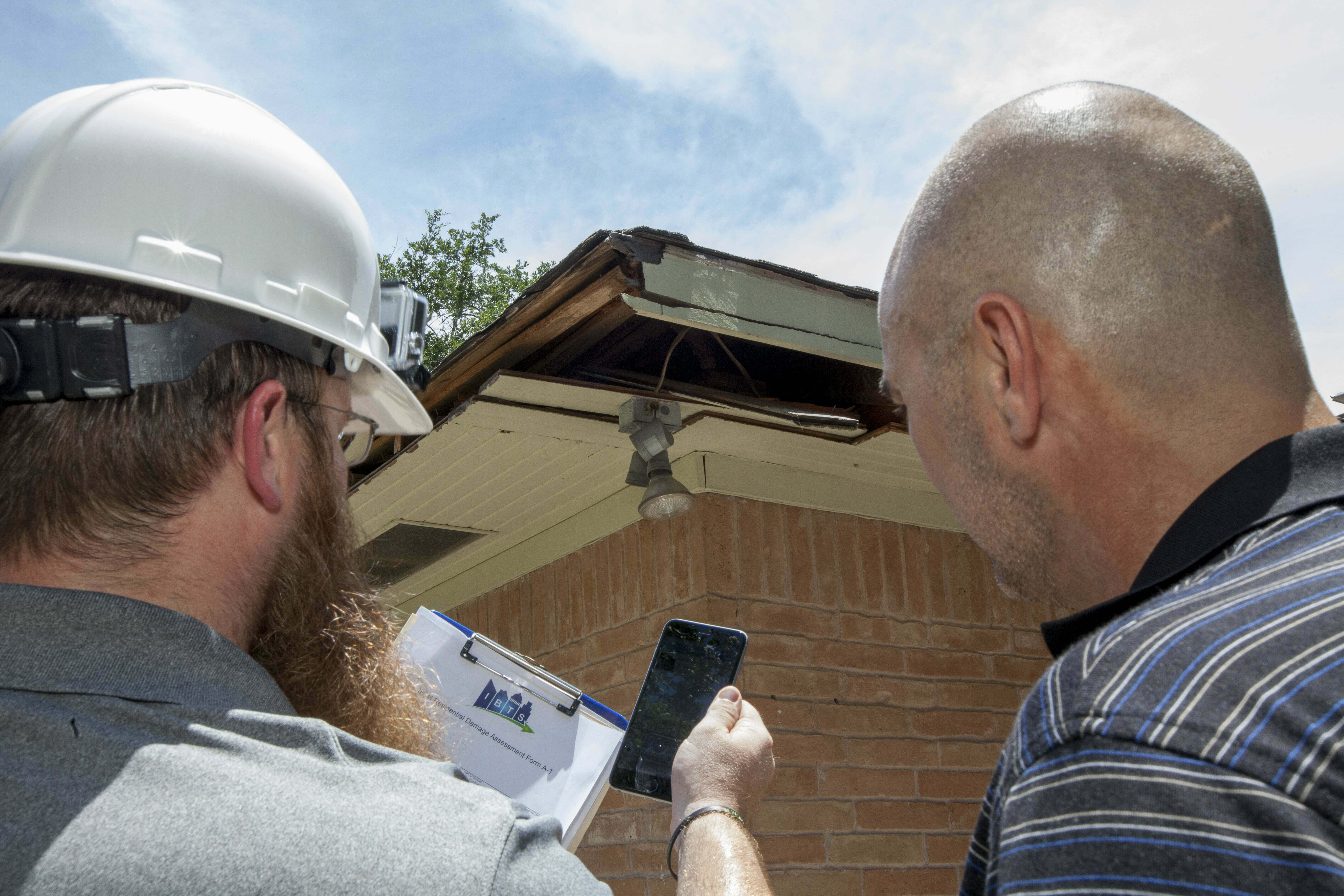
Many GA claims are undervalued because early inspections are designed to move quickly. They may capture surface damage but miss secondary issues, concealed damage, code-related costs, or the way one covered event affects multiple building systems. That is why owners often search for Property Damage Adjuster GA only after they realize the first estimate does not match repair reality. That is why Property Damage Adjuster GA often starts with slowing the process down enough to see the whole loss. A quick inspection may note stained drywall, a few broken shingles, or a visible point of impact, but miss insulation, sheathing, framing, electrical components, flooring transitions, or contamination that only becomes obvious after careful testing and demolition. Claims also become more difficult when the insurer separates related damage into small categories and evaluates them in isolation instead of as one connected event. In rental, mixed-use, or commercial settings, there may also be tenant issues, access problems, temporary repairs, and income consequences that make the file much more complicated than a standard homeowner estimate suggests. With a technical loss, the claim also depends on sequencing: what emergency steps were taken, what was exposed, what testing was done, and how the damage evolved over time. Property Damage Adjuster GA helps tie those details together so the insurer sees a documented chain of events instead of disconnected invoices and photos.
What Better Claim Documentation Looks Like
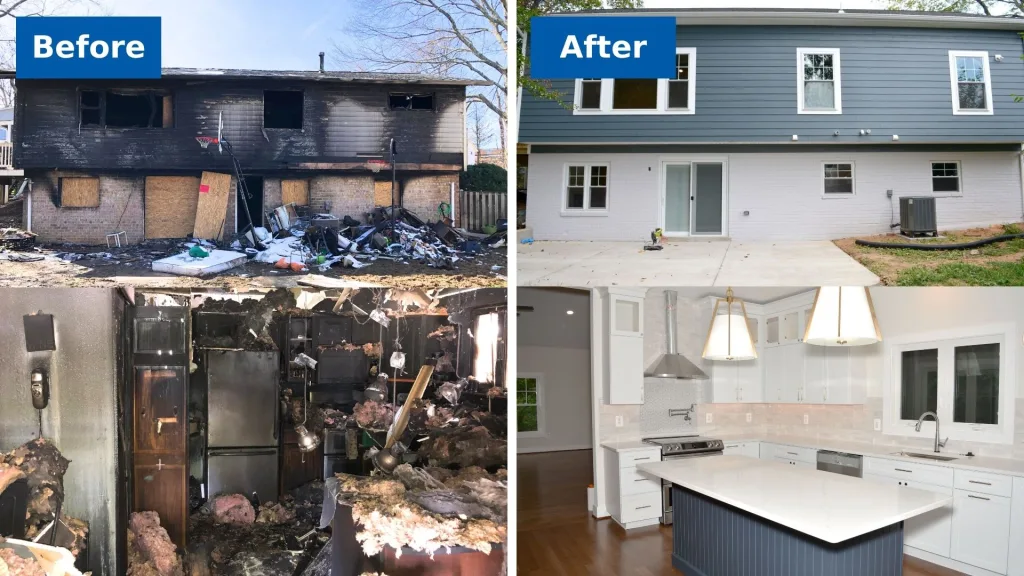
Many GA claims are undervalued because early inspections are designed to move quickly. They may capture surface damage but miss secondary issues, concealed damage, code-related costs, or the way one covered event affects multiple building systems. That is why owners often search for Property Damage Adjuster GA only after they realize the first estimate does not match repair reality. That is why Property Damage Adjuster GA often starts with slowing the process down enough to see the whole loss. A quick inspection may note stained drywall, a few broken shingles, or a visible point of impact, but miss insulation, sheathing, framing, electrical components, flooring transitions, or contamination that only becomes obvious after careful testing and demolition. Claims also become more difficult when the insurer separates related damage into small categories and evaluates them in isolation instead of as one connected event. In rental, mixed-use, or commercial settings, there may also be tenant issues, access problems, temporary repairs, and income consequences that make the file much more complicated than a standard homeowner estimate suggests. With a technical loss, the claim also depends on sequencing: what emergency steps were taken, what was exposed, what testing was done, and how the damage evolved over time. Property Damage Adjuster GA helps tie those details together so the insurer sees a documented chain of events instead of disconnected invoices and photos.
Where Insurance Claims Commonly Lose Value
Claims commonly lose value through omitted line items, partial scopes, incorrect measurements, low labor assumptions, or disputes over whether all damage should be tied to the covered event. On rental and commercial properties, the gap can widen further when loss of income, vacancy issues, or extra expense are not documented with the same care as the building damage. Another recurring problem is pricing. Carrier estimates often rely on limited quantities, generalized line items, or assumptions that the property can be restored with the cheapest reasonable approach. That can leave out demolition, access challenges, matching issues, debris handling, permit costs, specialty trades, code-triggered work, and the reality that one damaged component often requires adjacent work to achieve a proper finish. Property Damage Adjuster GA helps policyholders recognize those gaps before they become the baseline for negotiation. Technical adjuster support helps translate those issues into measurable claim items. Instead of arguing in broad terms, the owner can show where testing, access, quantities, or repair methodology make the original estimate too limited.
When Outside Claim Support Is Worth It
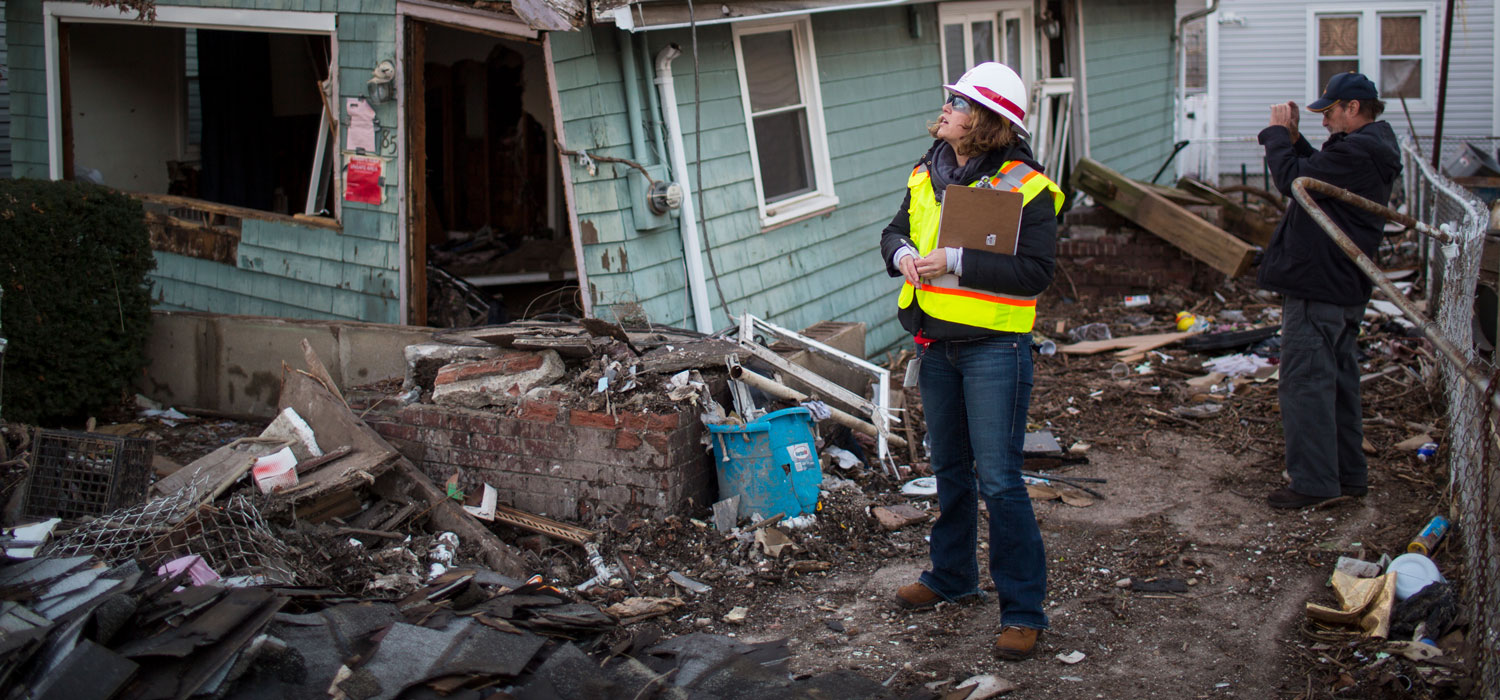
Outside support is often worth it when the claim is large, complex, delayed, or moving toward a scope dispute. That includes situations where bids conflict, the insurer questions causation, or the property has hidden damage that was not addressed in the first inspection. Claim Recovery Center helps organize the presentation so the claim is built around proof instead of assumptions. Professional claim support is often warranted when the technical side of the loss starts driving the outcome. That can happen when moisture migration, smoke spread, roof-system damage, contamination, structural concerns, or complicated repair sequencing make the insurer's estimate feel too small or too simple. With Property Damage Adjuster GA, the benefit is not just negotiating harder; it is documenting better. The more complex the loss becomes, the more valuable it is to have someone who can connect the evidence, the repair scope, and the policy in a way that stands up during review.
Conclusion
Property Damage Adjuster GA searches usually point to the same problem: the policyholder needs a stronger insurance claim strategy. With better documentation and a more accurate scope, owners can pursue a settlement that is closer to the true cost of putting the property back together. The best outcome is not just a faster payment; it is a settlement and repair plan that genuinely addresses the full scope of the loss. Property Damage Adjuster GA helps property owners across Georgia move toward that outcome by creating a claim record that is more complete, more strategic, and better supported from the beginning. Claim Recovery Center uses that approach to help clients document thoroughly, respond intelligently to carrier positions, and keep the focus on what it will actually take to restore the property the right way.

Claim Rights Center
Education and advocacy for insurance policyholders nationwide.
Empowering policyholders with knowledge before representation.
Claim Types
Educational Resource Disclaimer
Not a Law Firm or Insurance Company: Claim Rights Center is an educational resource and advocacy platform. We are not a law firm, insurance company, or licensed public adjusting firm. All professional services are provided by independent, state-licensed professionals in compliance with applicable state laws.
No Professional Relationship: No attorney-client relationship or professional services agreement is formed through the use of this website. Information provided is for educational purposes only and does not constitute legal, financial, or professional advice.
State Licensing: Licensed professionals in our network are independently licensed in their respective states and comply with all applicable state regulations and licensing requirements. State licensing information and credentials are available upon request.
Insurance Policy Variance: Insurance policies, coverage terms, exclusions, and regulations vary significantly by state, carrier, and individual policy. Always review your specific policy documents and consult with licensed professionals regarding your individual situation before making decisions.
State Compliance: This platform provides general educational information applicable across multiple states. Specific claim procedures, licensing requirements, and consumer protections vary by jurisdiction. All services are subject to state-specific regulations where applicable.
Results Not Guaranteed: Case studies and outcome examples are based on actual claims but are provided for educational purposes only. Individual results vary based on policy coverage, damage extent, documentation quality, and other factors. Past outcomes do not guarantee future results.
© 2026 Claim Rights Center. All rights reserved.
Nationwide educational resource for policyholders.